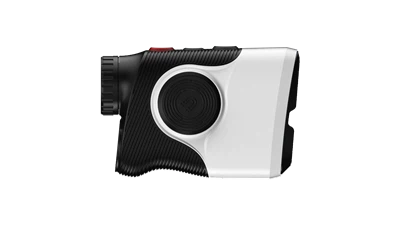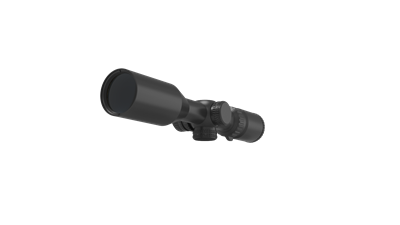
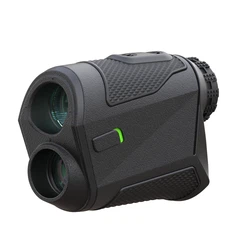

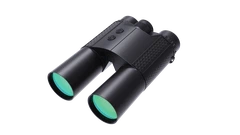
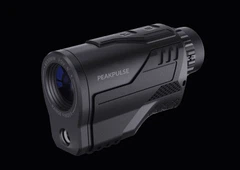
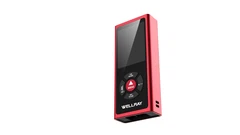
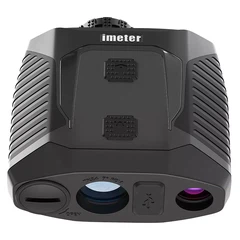

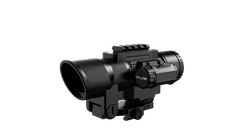
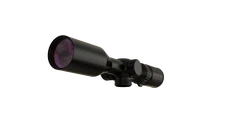

When it comes to focus-free telescopes, many people may not know what a focus-free telescope is?
The focus-free telescope is a new upgrade on the basis of the original traditional telescope, which is a complete technological revolution. For traditional telescopes, due to their simple production, low structural and technological difficulty, and low production costs, many well-known and unknown manufacturers have begun to develop and produce them by themselves. Or more trouble-free manufacturers, start direct OEM production, and then package them, shoddy, and sell at high prices. Such traditional telescope products have a single structure and low threshold, which has caused a long-term chaotic situation in the telescope market and cannot be well improved for a long time. Until a new breakthrough was made in the focus-free technology, the balance of the telescope market was broken, and the strong were stronger and the weak were weaker. More and more high-tech companies have applied high-precision technology to the production and development of telescopes. For ordinary consumers, it is undoubtedly a good thing to benefit the country and the people that they can use more intelligent, higher-tech, and more user-friendly products.
The most prominent feature of the focus-free telescope is the word "focus-free". Focus-free technology was first used in digital cameras and other fields, and in recent years, it has been gradually applied to telescopes and other fields. Focus-free technology is the most important means to improve product accuracy in precision instruments and high-tech products, and it has trans-epoch significance. The core requirement of the focus-free system is to quickly adjust the focus and level through the internal system, and quickly obtain high-definition images. Focusing refers to adjusting along the optical axis, and leveling refers to adjusting the vertical distance between the imaging plane and the optical axis. The focus-free system is usually composed of optical receiving components, photoelectric conversion components, image distribution processing, grayscale control and adjustment, arithmetic algorithms, actuators and other components. The structure is relatively complex, and the manufacturing cost is generally more than double that of traditional telescopes.